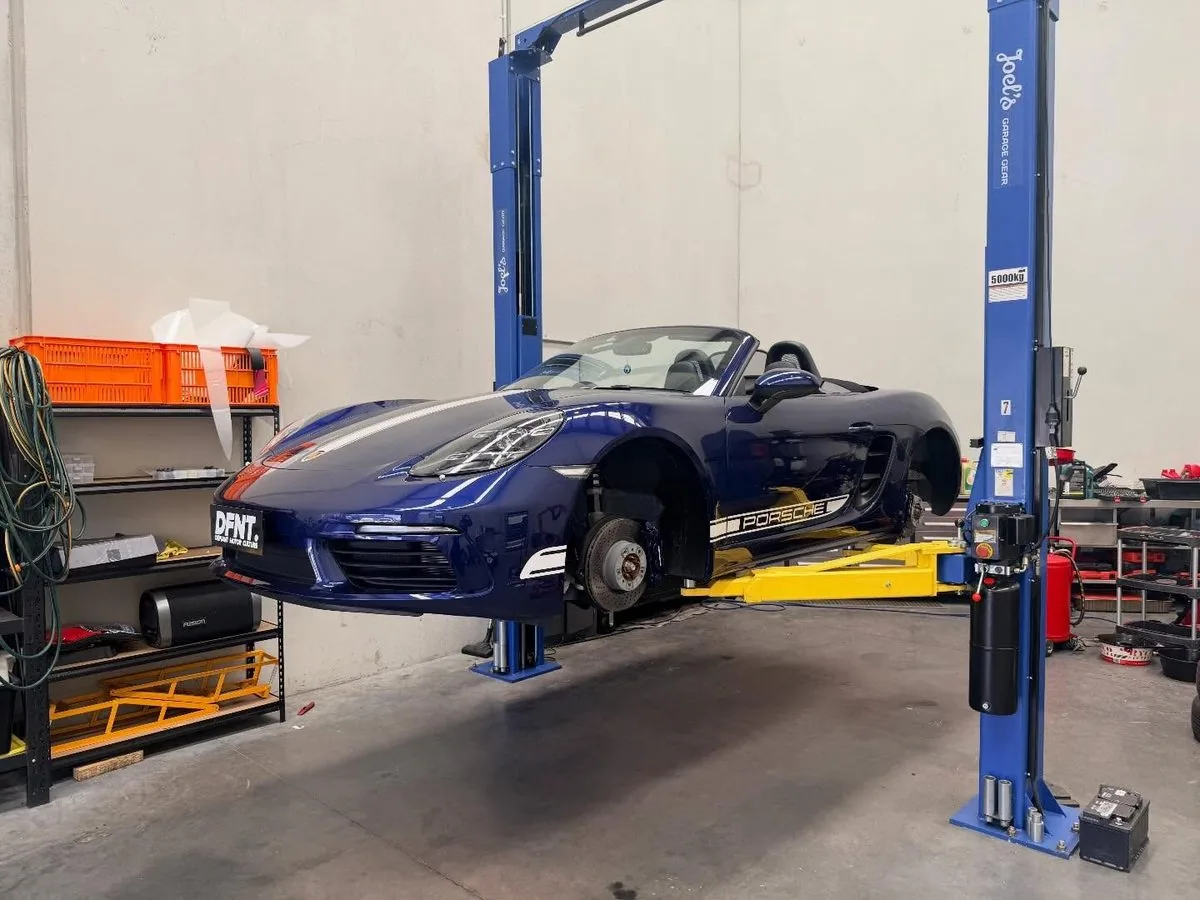
Paint protection film
The film that takes
the hit for the paint.
PPF is a clear urethane film over the paint. It is thick enough to stop the stones and grit that would otherwise chip a bonnet, and light scratches in it heal out with heat.



Every stone off the truck in front lands somewhere. On an unprotected car that is a chip in the paint and a repair that never quite matches. On a car with film on it, the stone hits the film.
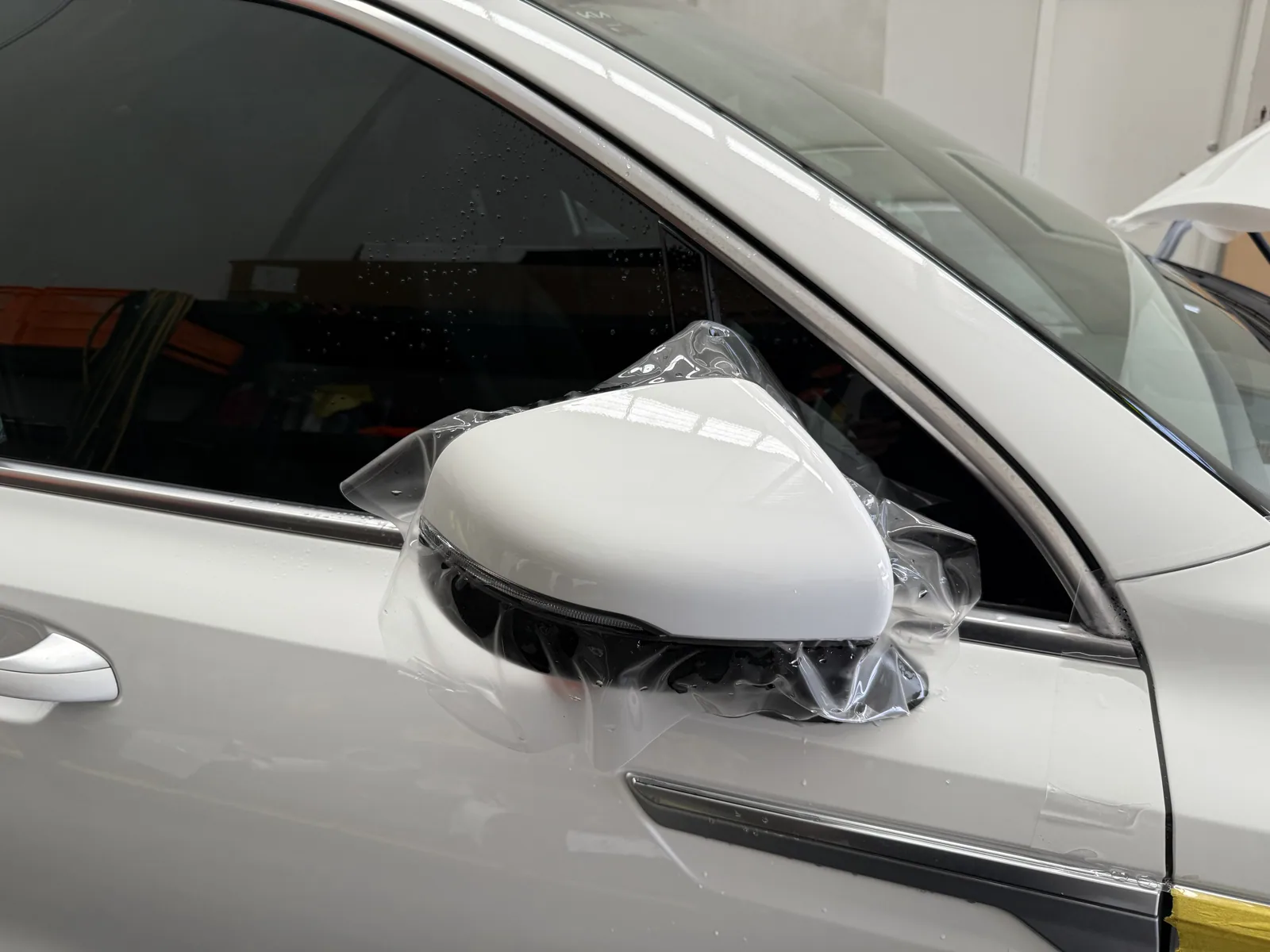
It is invisible once it is on, which is the point and also the reason this page is mostly pictures of it going on. The film is cut to the panel, laid wet, squeegeed out and wrapped around the edges so there is no line where it stops. Done properly you cannot tell it is there, and neither can the next owner reading a paint report.
- Turnaround
- About a week with us
- Where
- 9 Tech Way, Cranbourne VIC 3977
- Film brands
- Hexis, Zink, Stek
What you can have
Cover the panels that actually get hit.
-
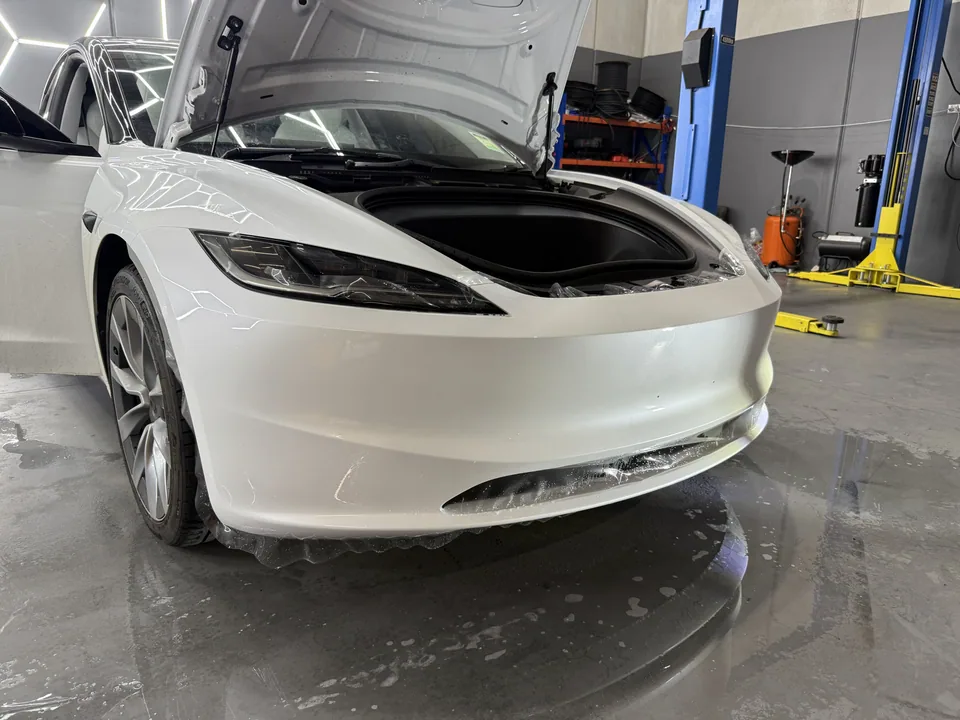
Front end
Bonnet, bumper, guards and mirrors - where nearly every chip on a car actually lands. The common package and the best value in the list.
-
Full body
Every painted panel. The choice on a new car somebody intends to keep, or on a colour that would be miserable to match in a respray.
-
High-wear detail
Door edges, sills, the loading lip of a boot, behind the handles. Small areas, and the ones that look tired first.
-
Motorbikes
Tanks, fairings and guards. A bike has less panel than a car and every bit of it is exposed.
The work
Paint protection film out of
the Cranbourne workshop.
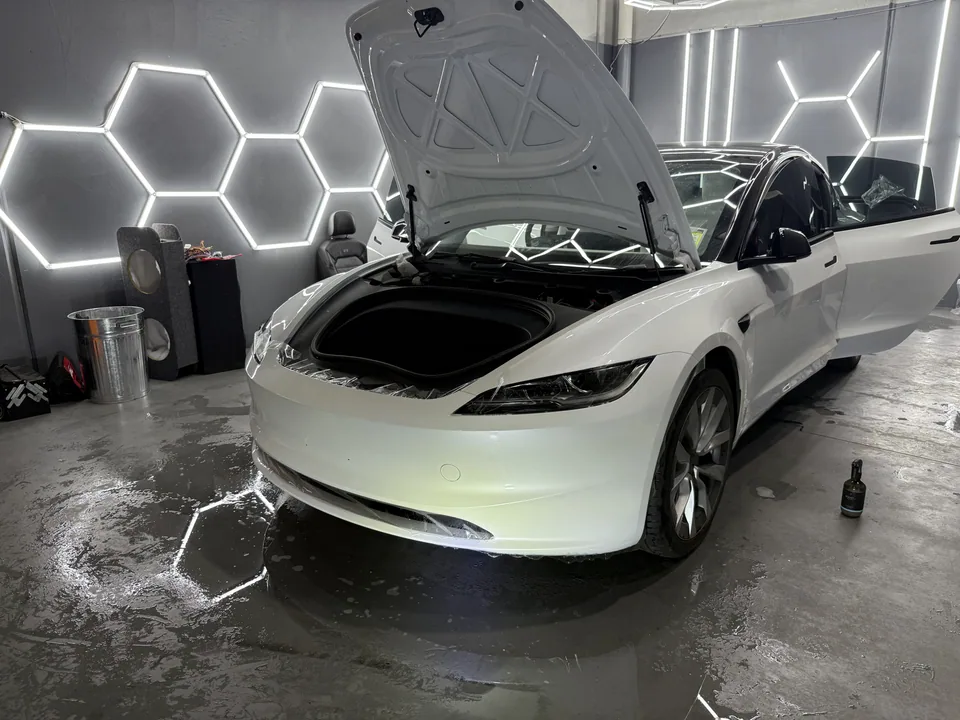
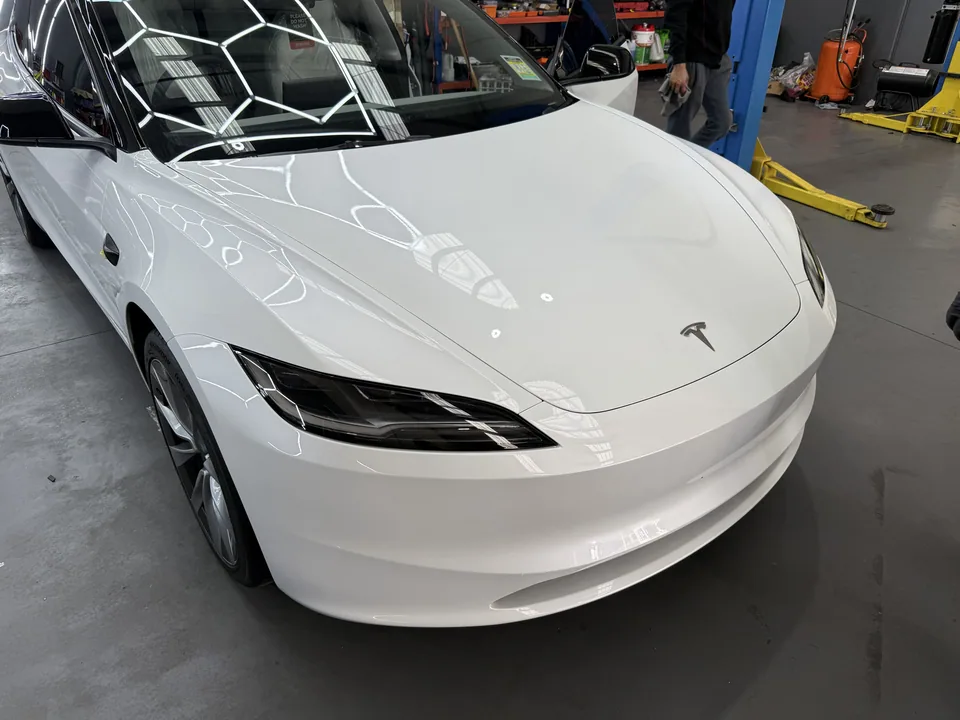
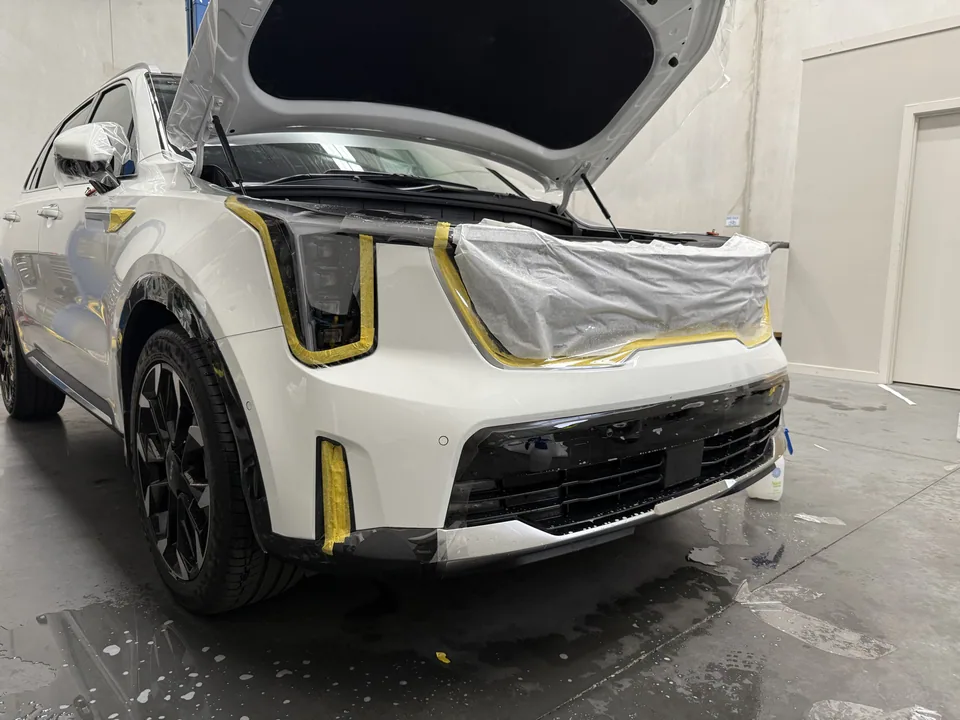
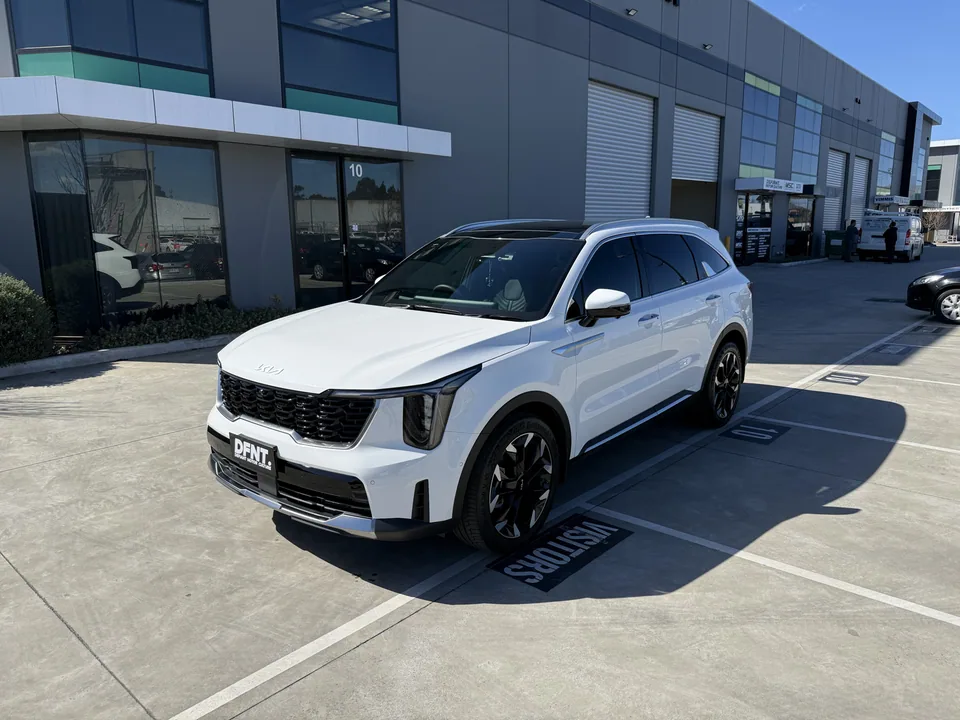
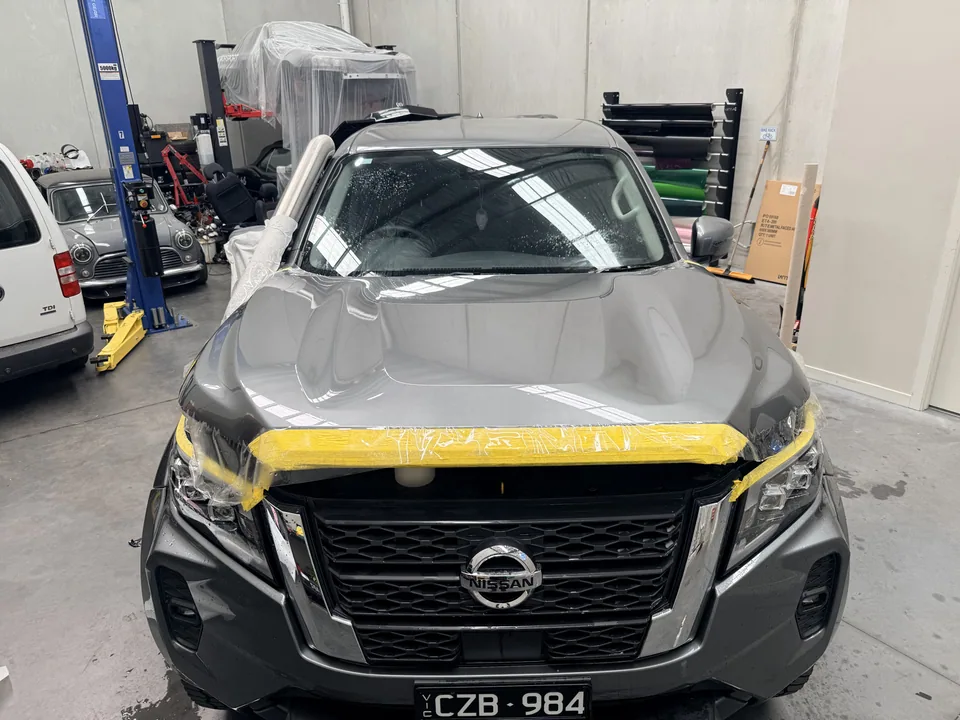
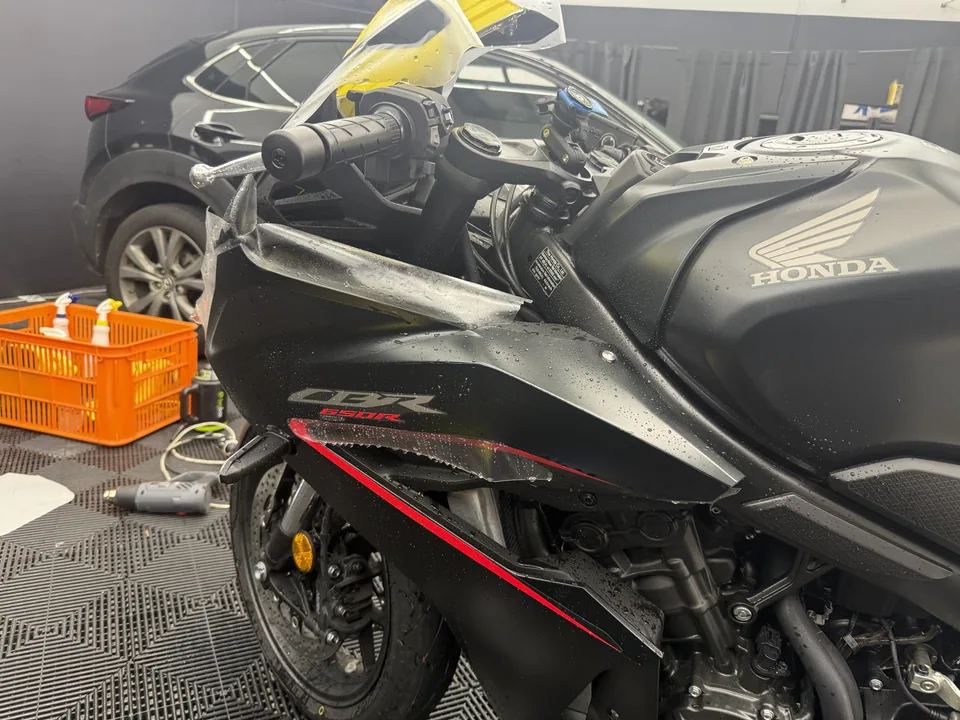
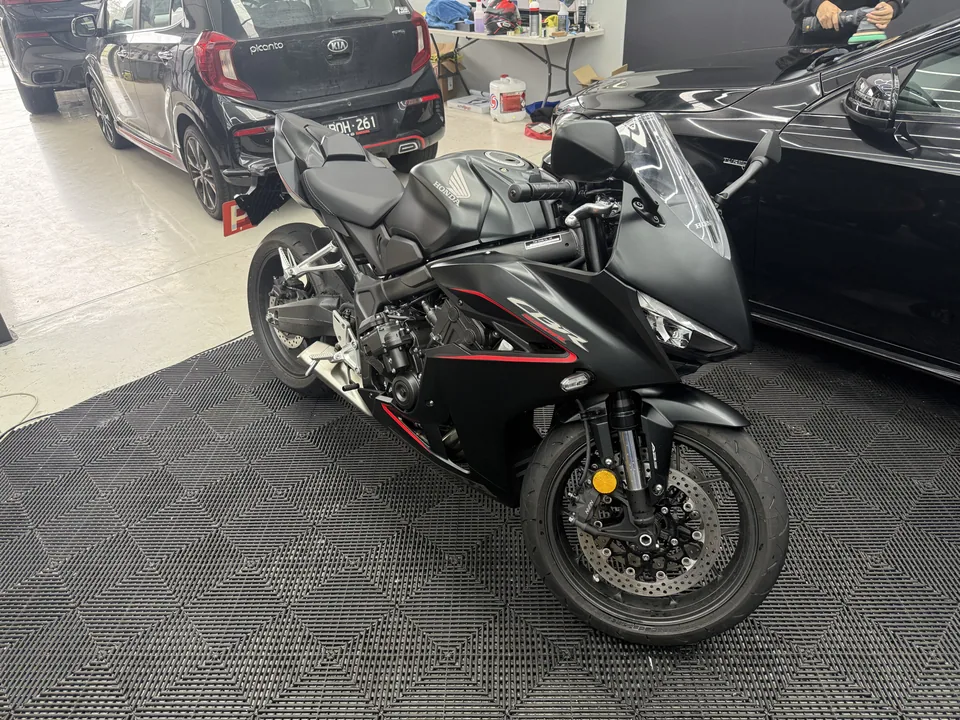
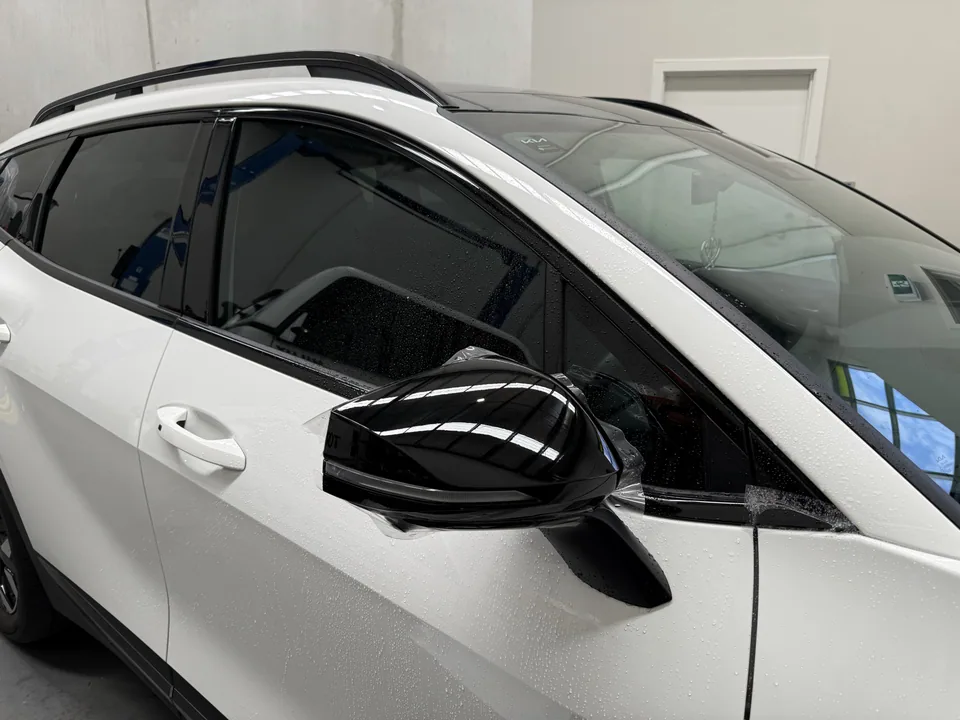
How it goes
Why it is a week and not an afternoon.
-
01
Decontaminate
The paint is washed, clayed and wiped down. Film traps whatever is under it, permanently, so this step is not optional.
-
02
Cut to the panel
Film is cut for the panel it is going on, with enough over the edge to wrap rather than stop short of it.
-
03
Lay wet
Installed with slip solution so it can be positioned, then squeegeed out from the centre.
-
04
Wrap and cure
Edges tucked behind the panel and post-heated. A little haze for the first week is solution still leaving, and it clears.
Questions we get asked.
Is PPF the same as a ceramic coating?
No, and they do different jobs. A coating is a few microns thick and makes the car easier to wash. Film is around 200 microns and stops a stone. Plenty of cars get both - film on the front end, coating over the rest.
Does it really heal itself?
Light swirls and fine scratches in the top layer close up with heat, so a hot day or warm water is usually enough. A deep cut that goes through the film does not, and that is the point - it went through the film instead of your paint.
Will it yellow?
Quality film has UV inhibitors and does not go yellow the way the cheap film of twenty years ago did. It has a service life, and when it is done it comes off and the paint underneath is as it was.
Can you film a car that is already chipped?
Film follows what is under it, so existing chips stay visible and stay sealed in. On a car that already has damage, sort the paint first.
Book the car in.
Tell us the make, model and what you are after. We will come back with a price and a rough date.